
A Practical 4-Week Plan for Returning to Training
Introduction: How to Return Without Setbacks
Taking time away from the training is common and often unavoidable. When it comes time to return, many people make the mistake of trying to train exactly the way they did before the break. This usually leads to excessive soreness, stalled progress, or minor injuries that delay consistency.
A successful return to training requires more than effort alone. Training progress depends on the balance between stimulus and recovery, and time away from the gym reduces recovery capacity more than most people realize. A structured re-entry period allows the body to adapt again without unnecessary stress.
This four-week plan is designed to help rebuild strength and muscle safely while taking advantage of muscle memory. Research consistently shows that lost muscle is regained faster than it is built initially, provided training is introduced in a controlled and progressive manner.
Establishing the Right Approach Before Training
Before beginning a structured program, it is important to reset expectations.
Reassessing Current Strength Levels
Strength is a skill that declines when it is not practiced. After several weeks away from training, previous performance levels are no longer a reliable reference point. Rather than attempting to match old numbers, training should be based on current capacity. Tracking progress from this new baseline allows steady improvement without unnecessary risk.
Following a Structured Plan
Returning to training without a plan often leads to excessive volume or intensity early on. A written program helps regulate workload and ensures that training sessions build logically from week to week. This approach reduces the likelihood of overtraining while improving consistency.
The Re-Entry Training Framework
This program serves as a transition period between inactivity and normal progressive training. Depending on how long the training break lasted, the transition period may last between two and four weeks. Longer layoffs generally require a longer transition.
The plan is divided into two phases: an initial re-acclimation phase followed by a gradual increase in workload.
Phase One: Re-Acclimation Period (Weeks 1–2)
Primary Objective
The goal of this phase is to restore coordination, reinforce proper movement patterns, and prepare joints and connective tissue for future loading.
Exercise Selection Guidelines
Training during this phase should prioritize movements that stimulate muscle activation without causing excessive soreness.
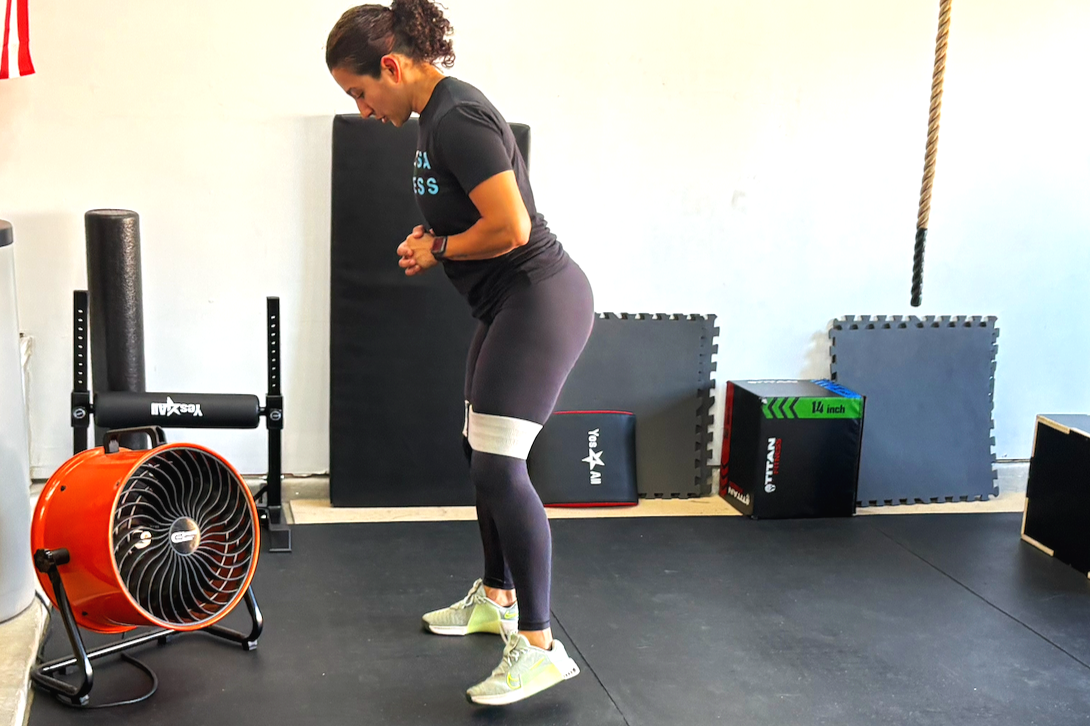
Bodyweight, bands, machines, cables, and low-impact exercises are preferred due to their stability and lower joint stress.
Compound lifts such as squats, presses, and deadlifts should be performed with light loads and strict technique.
Exercises that place high tension on muscles in deep stretched positions should be avoided temporarily.
Training Parameters
Intensity (compound lifts): Low effort, leaving several repetitions in reserve.
Intensity (isolation exercises): Moderate effort without training to failure.
Volume: Approximately 7–10 total sets per muscle group per week.
Frequency: Each muscle group trained twice per week.
Light loads may feel insufficient, but early strength gains are largely neurological and do not require heavy resistance. Maintaining low fatigue during this phase allows faster adaptation and better recovery.
Phase Two: Gradual Load Progression (Weeks 3–4)
Primary Objective
The focus shifts toward increasing training stimulus while maintaining adequate recovery.
Adjustments During This Phase
Gradually increase resistance on compound lifts while maintaining controlled execution.
Isolation exercises may be performed closer to muscular fatigue if soreness is decreasing.
Volume can be increased modestly, typically by adding one additional set per exercise.
Training frequency remains unchanged.
By the end of this phase, the body is better prepared to tolerate higher training demands.
Transitioning Back to Regular Training
After completing the re-entry phase, normal training can resume. At this point, simple linear progression is effective for most individuals. Gradually increasing weight on primary lifts on a weekly basis often produces reliable gains for several weeks.
When progress begins to slow, further adjustments to volume, intensity, or exercise selection can be introduced as needed. The structured return period ensures that future training is productive and sustainable rather than interrupted by setbacks.
Need help getting back into the rhythm of training again? Schedule a free 1:1 intro here.
